

And Then What Happened? Extending Authentic Materials with AI
By Shannon Donnally Quinn, Michigan State University

DOI: https://www.doi.org/10.69732/AQOR4238
Introduction
I keep saying that I have extremely mixed feelings about artificial intelligence (AI) – which is still true – but I also keep finding new ways that AI can help me with my own work. I previously wrote about The Power of AI for Language for Specific Purposes. Now I would like to explore another use: using AI to extend authentic materials.
I am currently creating an Open Educational Resource (OER) based on the Russian sitcom Как я стал русским (How I Became Russian). This show constitutes a large portion of my fourth-semester Russian course curriculum, and it fits well because it features everyday language, plenty of physical humor, and predictable plots. It also has a compelling cast of characters, despite the fact that some of them are somewhat stereotyped. One of the main characters is an American who has come to Russia to work. He frequently misunderstands linguistic and cultural subtleties and makes both grammatical and cultural mistakes, giving students opportunities to learn from his mistakes while also sympathizing with him. Although stereotypes are often negative, I find them to be a valuable opportunity for discussion in a fourth-semester class. Because the show centers on an American character, we begin by discussing stereotypes about Americans. This provides a useful entry point for students to identify and examine the stereotypes surrounding the Russian characters in the show as well. We discuss these stereotypes early in the unit because stereotypes represent a form of shared cultural knowledge that learners need to recognize and understand, while also developing the critical awareness to question and challenge them.
The show has 20 episodes that are each 20-25 minutes long, but we watch only three in class because we work with them in considerable depth, exploring their grammatical, lexical, and cultural content. The fact that we have time for only three episodes is, in some ways, an advantage in disguise: it leaves plenty of room for students to speculate about what might happen in later episodes (and I encourage them to watch the remaining episodes over the summer) and imagine other situations in which the characters might find themselves.
Extending the Text with Text
As I have worked on this project, I have found myself using AI to extend the text itself. Although our work with the show is content-based, I have organized the material around particular grammatical and lexical functions that appear in each episode. Students first encounter examples of a particular structure in the episode itself. We then expand beyond the episode, asking students to personalize the content and imagine the characters in new but analogous situations so that they have additional opportunities to practice the targeted structures. This is where AI has become particularly useful.
ChatGPT has become a kind of companion in my work on the project. My first step was to create accurate transcripts of each episode (I used Turboscribe) and upload them into a dedicated project in my ChatGPT account. I also provided information about my students’ proficiency level and the types of activities I wanted to create. Overall, ChatGPT has done a sufficient job of keeping this larger context in mind, although it occasionally makes mistakes, such as confusing the characters. At other times, I have needed to provide the transcript again to make sure it has the appropriate context.
What I often ask ChatGPT to do is brainstorm additional examples of the structures we are studying and relate those examples to the episodes and characters. In other cases, I ask it to brainstorm scenarios involving the characters and setting that will elicit the language I want students to practice. Using AI to generate examples allows me to offer language that relates to the plot of the show, helping to solidify students’ comprehension.
Because students find the show entertaining and enjoy the characters, they are more invested in understanding these examples and scenarios. The activities also provide opportunities to recycle vocabulary and grammar from previous episodes. Because students already know the characters and their personalities, the context also helps them understand and interpret new examples.
Our viewing process reinforces this approach. We watch each episode all the way through first, without subtitles, knowing that students will understand some, but certainly not all, of what they see. We then work with the episode in depth over multiple class periods before watching the entire episode again. This rich, engaging context gives students both the background knowledge and the motivation to understand language that might otherwise seem difficult or disconnected.
For example, when I wanted to create activities in which students could practice talking about feelings, I asked ChatGPT to brainstorm scenarios (in Russian) following a structure such as:
When ________ happened, ________ felt ________.
I asked the AI to make the examples relevant to the episodes and their characters. Many of the examples it generates do not work for one reason or another, so I usually ask for more examples than I actually need and then select the best ones. I can then extend the activity beyond the events of the episodes by asking the AI to imagine what might happen to the characters in the future:
If ________ happens, ________ will feel ________.
I can also ask the AI to generate counterfactual scenarios or situations that would be inconsistent with the characters’ personalities. Students can then decide whether statements are true or false or give their opinions about how likely particular actions are, based on what they know about the characters.
Through this process, I have learned several small strategies that help me get better results when prompting ChatGPT to generate examples and scenarios:
- Ask for more examples than you need so that you can choose the best ones.
- Give examples of the kinds of sentences you want the AI to produce.
- If you want a particular mix of results, for example, half true and half false statements, tell the AI explicitly.
- If the AI gives you results that do not work, give it specific feedback and ask it to try again.
- When relevant, remind the AI of the specific context you want it to use. I keep my transcripts handy and copy and paste them into my prompts whenever I think they will help the AI produce better results.
Extending the Text with Images
Besides text, I have also begun to use AI to generate images to use in my course materials. Although I have primarily used ChatGPT for generating text, I have found that Google Gemini generates images more quickly and has fewer limitations for the kinds of images I wanted to create.
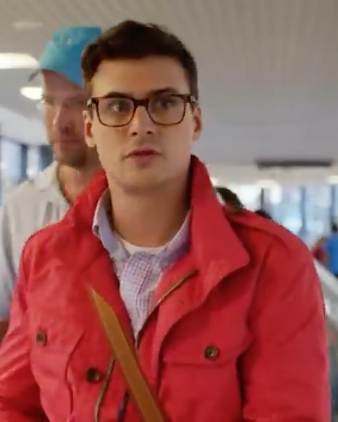
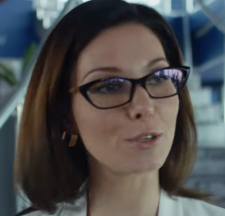
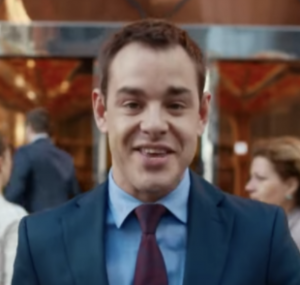
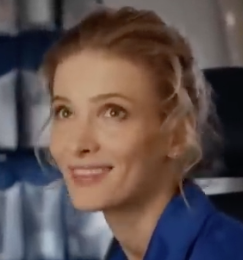
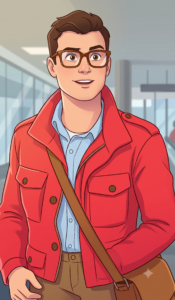
Because I wanted the images to have a consistent look and feel, I first asked Gemini to create cartoon versions of the show’s main characters from screenshots that I uploaded to Gemini. I then saved these images in a folder so that I could repeatedly use them as references when generating new scenarios. Although I discard AI-generated images that contain blatant inaccuracies, the cartoon style invites a natural suspension of disbelief. Students understand that these are playful illustrations of imagined scenarios, rather than attempts to depict reality with complete accuracy.
 |
 |
 |
 |
 |
 |
 |
 |
 |
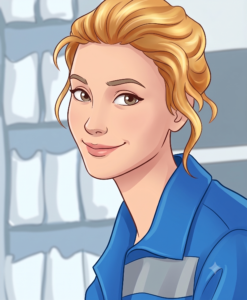 |
Pictures 1-10 – Screenshots from the show and the corresponding cartoon versions of the main characters that I asked Google Gemini to generate
When I ask Gemini to create a new image, I upload the appropriate character images and specify which characters should play which roles in the new scenario.
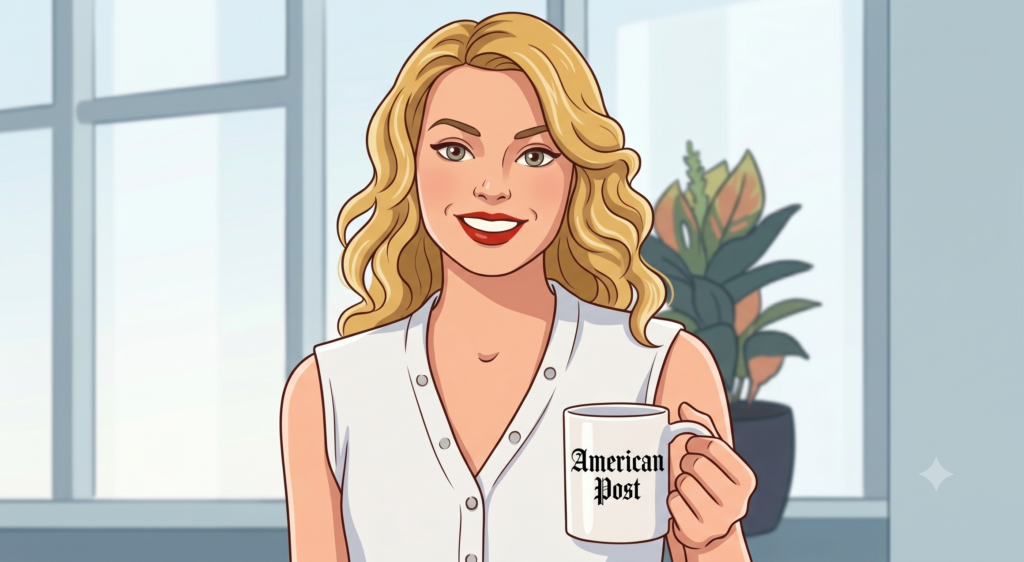
Over time, I also began saving other reference images that could help me recreate recurring visual elements. For example, the workplace in the show is a newspaper office called American Post. The newspaper’s logo uses a distinctive calligraphic font, so I saved an image of the logo that I can upload as a reference whenever I want the newspaper to appear in a generated image. In my prompt, I can tell Gemini that I want the logo to look like the text on the mug in the reference image.
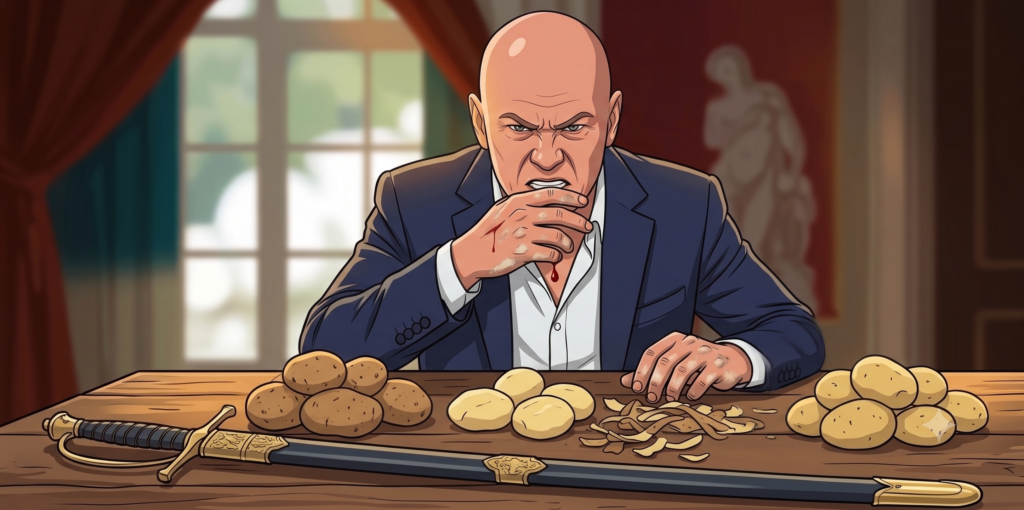
I have also learned that it is important to be very specific when describing what I want in an image. In one episode, a character jokes about peeling potatoes with a sword, so I asked Gemini to create an image of him peeling potatoes with a cut on his hand. The resulting image gave the character three hands! I realized that I needed to be much more precise about what I wanted in the image rather than assuming that the AI would understand the context of the request.
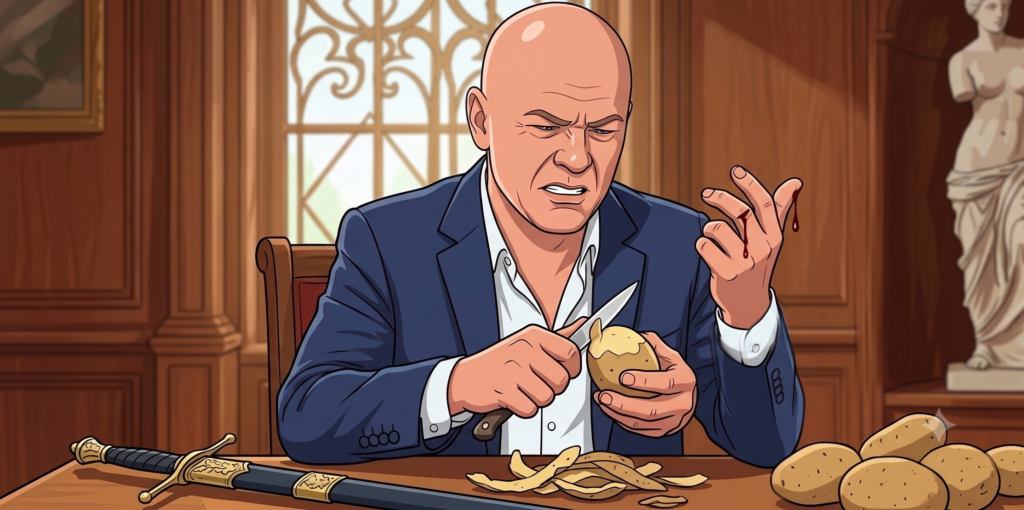
I revised the prompt to specify exactly what I wanted to see, including the character, the piles of potatoes and potato peels, the sword, and the injury. I also provided a reference image of the character and an image of the type of sword I wanted.
Activity 1 – Feelings
Now I will outline some examples of activities in which I have used AI-generated pictures to extend the text.
In one lesson, students were learning to talk about feelings. First, I gave them stills from the show that demonstrated some of the emotions experienced by the characters.
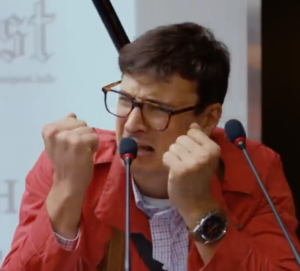
He feels sad. |

He feels pain. |
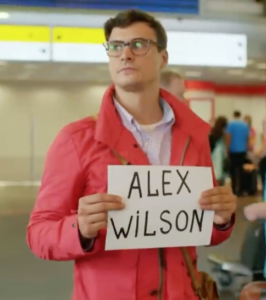
He feels bored. |
Pictures 14-16 – Stills from the show that demonstrate character emotions
I then used ChatGPT to brainstorm additional scenarios and create images that gave students more opportunities to imagine different circumstances and describe how the characters would feel. Some of them could also potentially give opportunities for learners to do research about how accurate they might be in the context of the target culture.
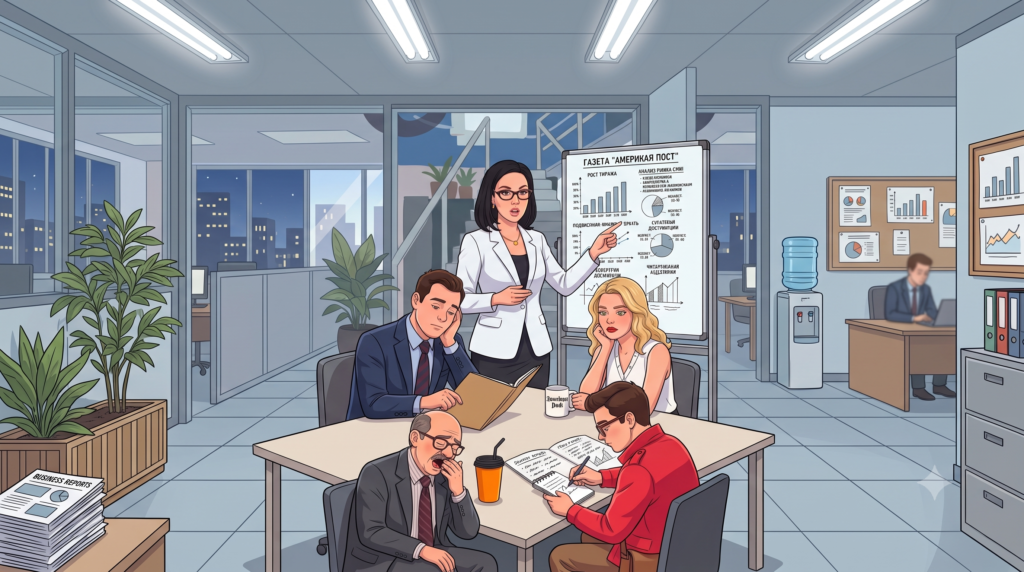
They are bored! Prompt: The first woman is giving a long lecture to the other people and they are very bored. They are in an office setting. Any text should be in Russian. |
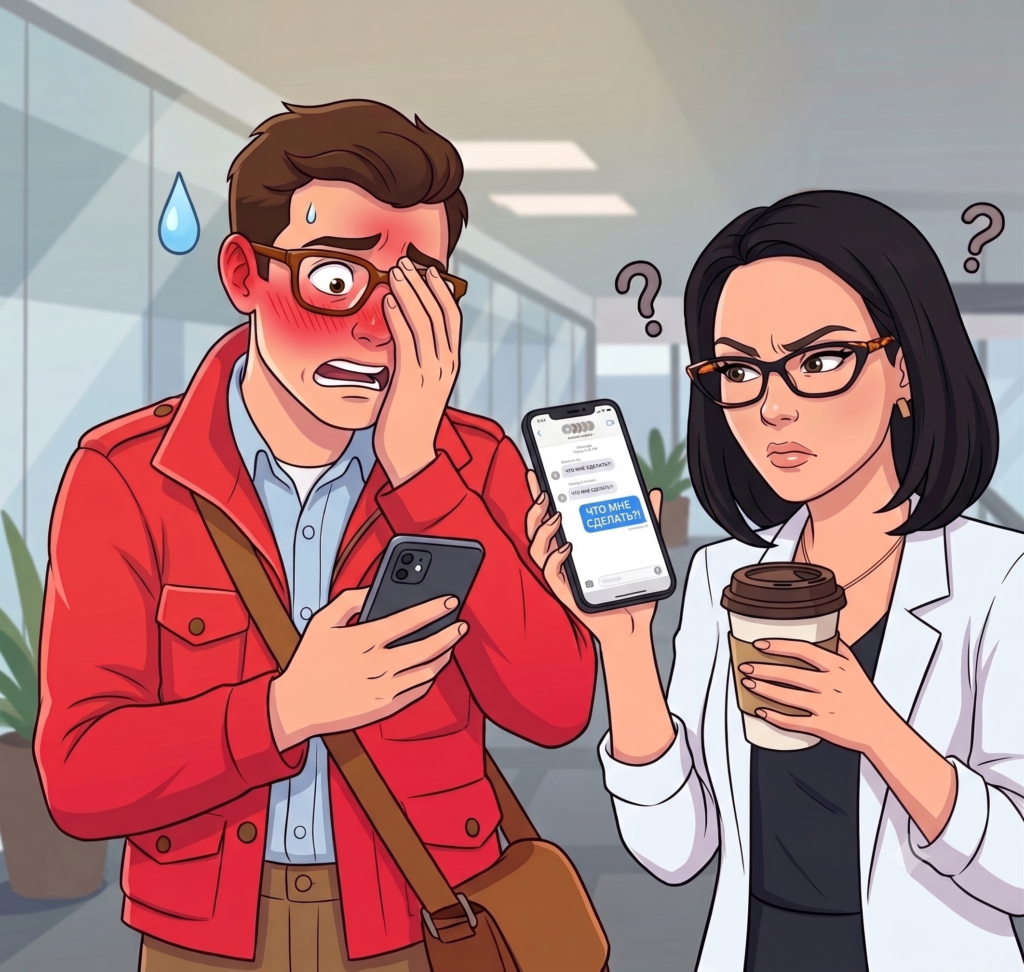
He is embarrassed! Prompt: This man accidentally sent an embarrassing text to this woman. He is blushing. Any text should be in Russian. |
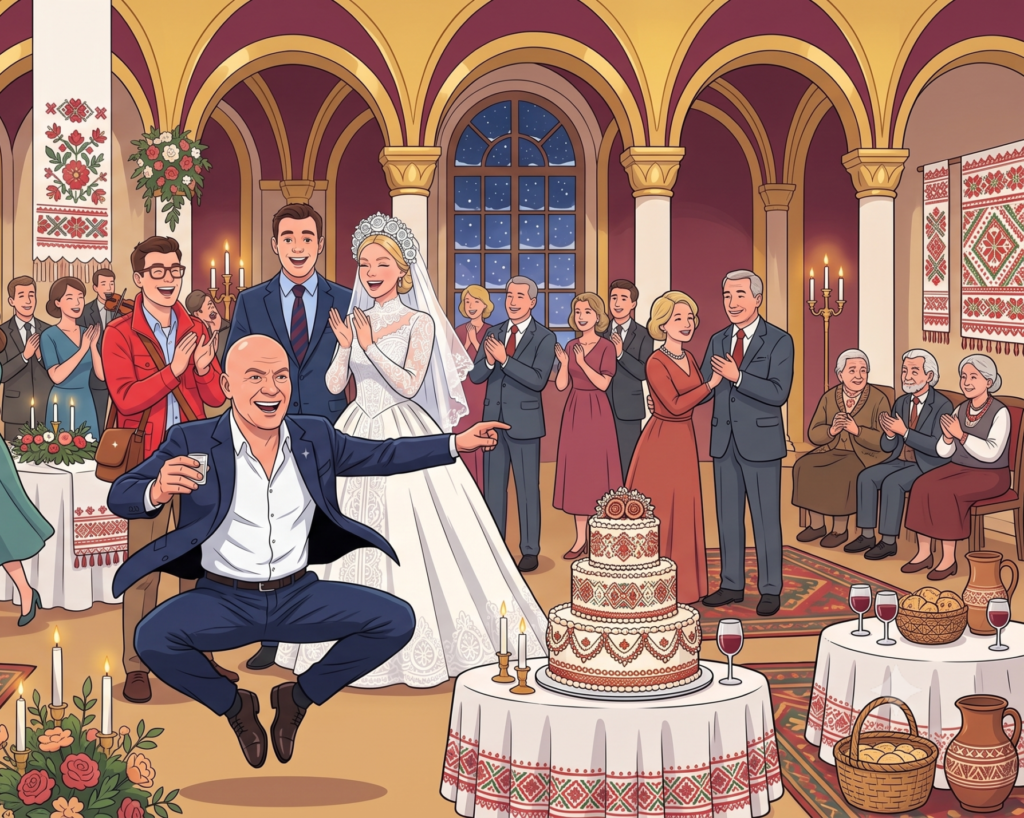
They are having fun! Prompt: This bald man is at a traditional Russian wedding and he is dancing like a Cossack. The second man is the groom, the woman is the bride, and the third man is a guest. They are all having fun. |
He is cold. Prompt: Place this person at Lake Baikal in January, feeling cold. Please make the image landscape orientation. |
Pictures 17-20 – Scenarios that allow students to talk about the characters’ emotions
Activity 2 – Disbelief
In another lesson, students were learning a phrase that expresses surprise or disbelief. The expression is difficult to translate directly into English, but adding something like “or something?” to the end of a question can convey a similar sense.
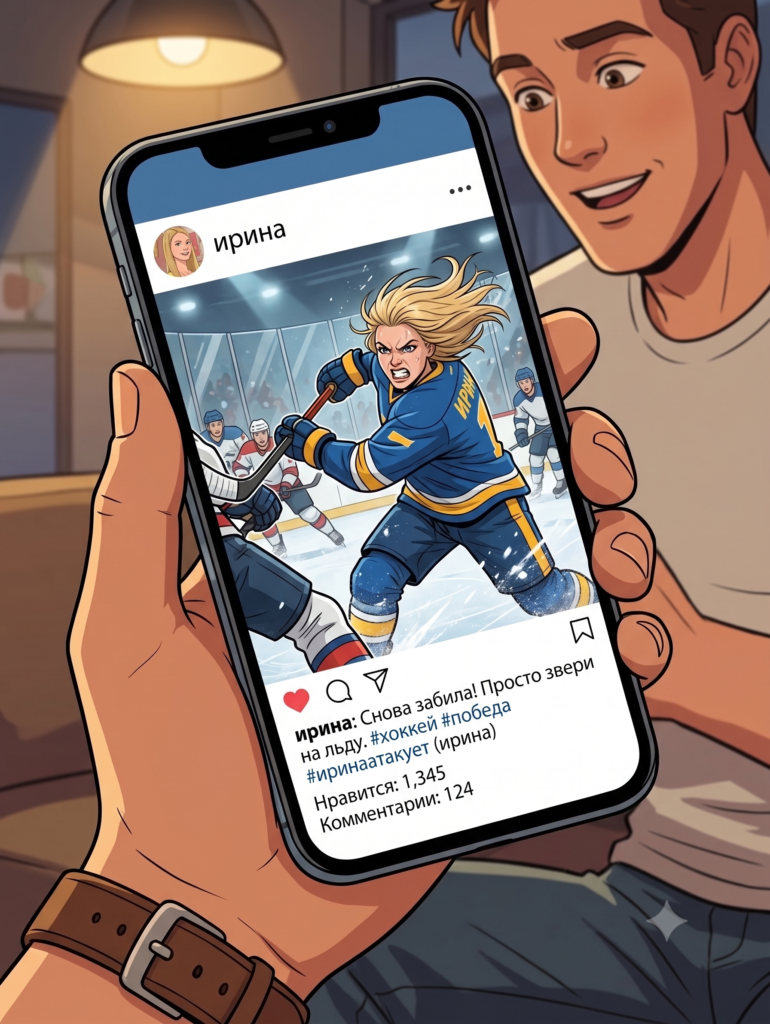
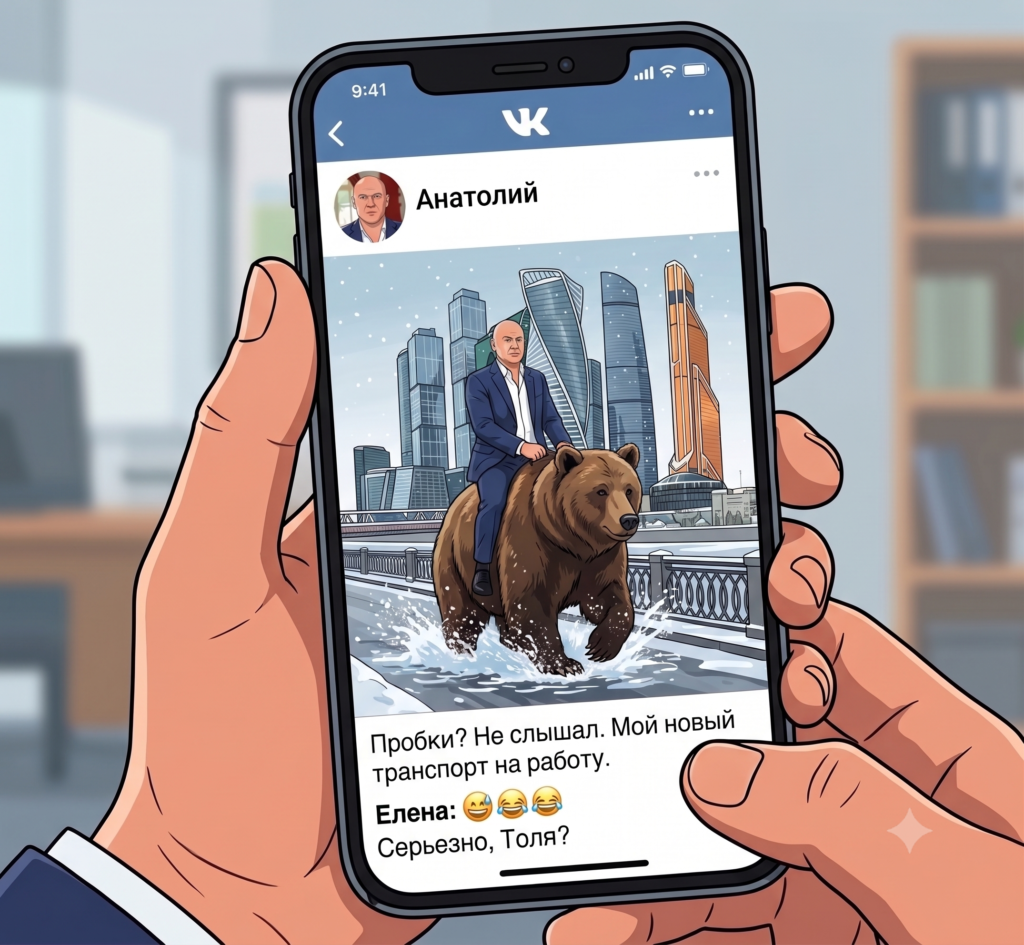
Using a combination of my own ideas, ChatGPT’s suggestions, and Google Gemini’s image generation, I created an activity in which students see fictional social media posts featuring the show’s characters in surprising situations. Students then create sentences expressing surprise, such as “Is he at the beach or something?” or “Is he really wearing a pink bathing suit?”
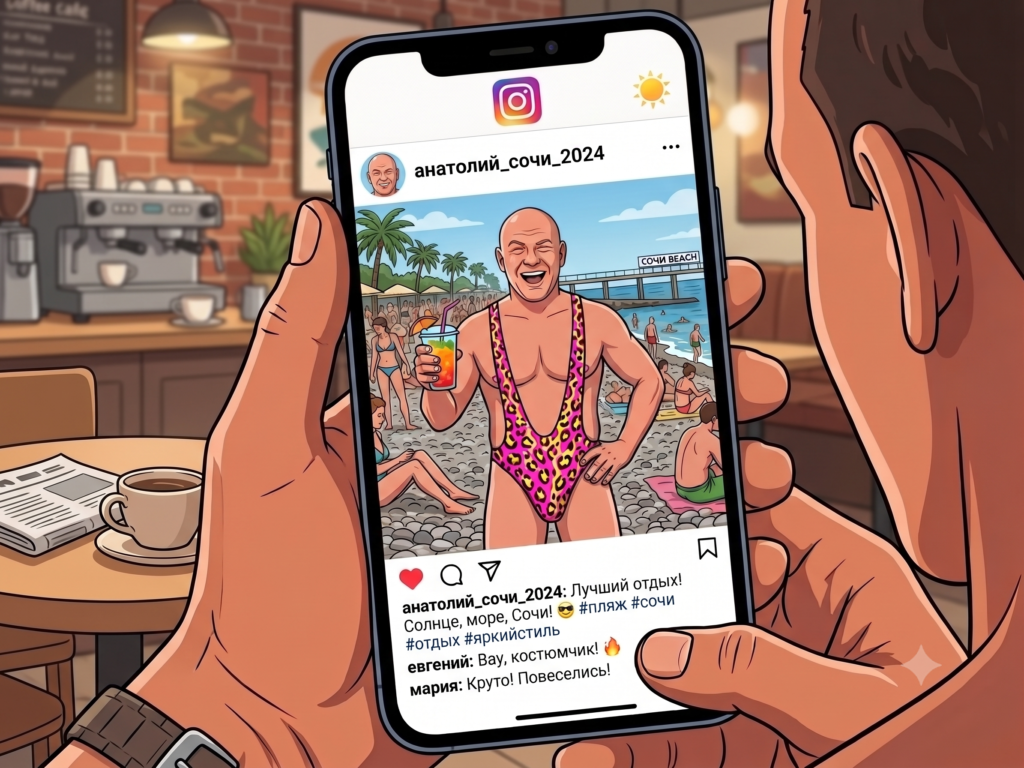
In this image, one of the show’s characters is uncharacteristically playing a vicious game of hockey. Students might say, “Does she really play hockey?”.
The images can also reinforce other content from the show. For example, one image places a character in a ridiculous situation against the recognizable backdrop of Moscow-City, the area of Moscow where the show is set. This provides another opportunity to reinforce what students remember about both the show and the city. Students might say, “Does he really work in Moscow-City?” or comment on the absurdity of the character riding a bear to work. This image also can initiate a discussion related to politics, as the character’s post conjures a popular meme about Vladimir Putin. Since the character is an oligarch, students could speculate about why he might (or might not) want to have his image be associated with the president.
Activity 3 – Acceptable and Not Acceptable
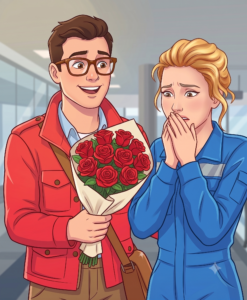
In one of the scenes of the episodes, one of the Russian characters tells our American main character that something is “not acceptable.” This gives students an opportunity both to practice that phrase but also to think about cultural norms, especially because the American character makes some cultural faux pas in the episodes. In fact, one of the plot points revolves around the fact that the American doesn’t know that in Russia you are only supposed to give odd numbers of flowers (even numbers of flowers are for graves). AI image generation gives me an easy way to give learners two pictures that help them to understand and remember these cultural expectations. In the activity below, they have to decide which is “acceptable” and which is “not acceptable.”
 |
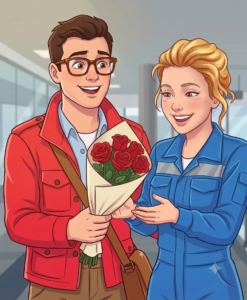 |
Pictures 24-25 – An even number of flowers – not acceptable; an odd number of flowers – acceptable
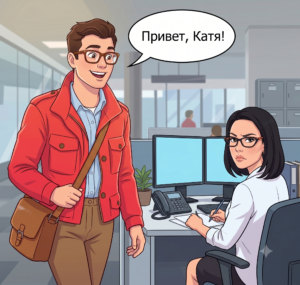
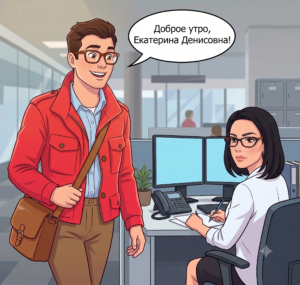
I used a similar approach to practice forms of address. In the images below, the American character addresses his boss in two different ways: first informally, using her first name, and then more formally, using her first name and patronymic, which is the conventional form of address for a superior in this context. Students have to determine which is acceptable and which is not. In the show, some of the workers also use a deliberately rude version of their boss’s name when speaking about her behind her back, shown in the third image.
 |
 |
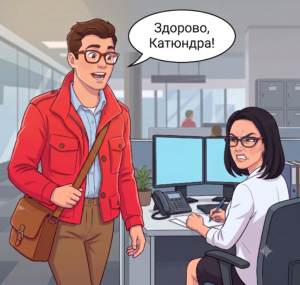 |
Pictures 26-28 – An informal greeting – not acceptable; a formal greeting – acceptable; a rude version of the boss’s name – very much not acceptable!
Although most Russian students learn the distinction between first names and first name + patronymic relatively early in their studies, it has always seemed to me that the distinction remains somewhat artificial for them for quite a while. As a result, they are not always attentive to it. Seeing these forms used by familiar characters, and seeing them extended into new situations, makes this cultural phenomenon more salient.
Summary Activity – Fan Fiction
Using AI-generated pictures in this way has also given me an idea for a new assignment that I hope to implement in Spring 2027. I have always spent some time with students speculating about what else might happen in the show, but this time I would like to take that idea a step further by asking students to create something new in the spirit of fan fiction.
I am still working out the details and I plan to get student input before finalizing the assignment, but I am considering giving students several creative options. Because I know that some students prefer not to use AI, I want to offer non-AI options while ensuring that the amount of work required is comparable across choices. This is one aspect of the assignment on which I plan to solicit student feedback.
Possible projects might include:
- Write a scene from a new episode of the show.
- Write a “deleted scene” that could have occurred in an episode students watched.
- Prompt AI to write a new episode and then critique and revise the script, adding some text written by the student.
- Create a graphic novel (either on paper or using a comic app or AI) depicting a new plot involving some of the characters.
- Use AI to create a video of a new scene from the show.
- Create a theme song for the show, including lyrics.
- Pretend to be a character and write a diary from that character’s perspective.
- Develop the backstory of one or more characters.
- Imagine the characters ten years later and write a scene from their reunion.
- Write a crossover scene in which characters from the show meet characters from another Russian or American show.
- Imagine becoming a character in the show yourself and write from that perspective.
- Create a character’s social media account.
- Imagine two characters in a long-distance relationship and have them communicate through text messages.
- Create a fictional version of the newspaper where the characters work.
- Create a fictional news report about something that happens to the characters.
- Pretend that one of the characters hosts a podcast.
- Create an American version of the show, but in Russian.
- Create a series of memes about the characters.
- Create an advice column to which the characters write.
Conclusion
One of the most important aspects of language learning is context. A show like Как я стал русским provides a rich context that helps students understand language, culture, and characters while giving them a reason to care about what they are seeing and hearing. AI does not replace that context; instead, it gives me a way to extend it.
This distinction is important. Rather than using AI to generate an entirely new set of disconnected practice materials, I am using it to take something students already know and make it bigger: the characters can experience new situations, familiar grammatical structures can appear in new contexts, cultural practices can be illustrated visually, and students can imagine what might happen beyond the boundaries of the original text. In this sense, AI becomes a tool for extending the pedagogical life of an authentic material rather than replacing it.
Given that I am still experimenting with these possibilities, I expect that some of my ideas will work better than others. The next step, having students create their own extensions of the show, may be the most interesting one yet, because it shifts students from consumers of an authentic text to creators who can play with, reinterpret, and build upon it.
I would love to hear your ideas in the comments (or in follow-up articles). How are you using AI to extend authentic materials in your own courses? What kinds of activities or assignments have you tried? And how might you give your students new opportunities to become interpreters and creators of the authentic materials they encounter?
AI disclosure: AI was used to polish wording (ChatGPT) and to generate most of the images (Google Gemini). Screenshots are from the sitcom Как я стал русским.